Environmental Advocacy · Ghana
Healing the Land, Restoring Our FutureEnhancing LivesHealing the Environment
The Ghana Environmental Remediation Forum advocates for the protection of Ghana’s natural resources, raising awareness of environmental degradation from irresponsible mining and deforestation across our communities.
Environmental Advocacy · Ghana
Restoring Ghana’s land and rivers — for the generations to come.
The Ghana Environmental Remediation Forum advocates for the protection of Ghana’s natural resources, raising awareness of environmental degradation from irresponsible mining and deforestation across our communities.
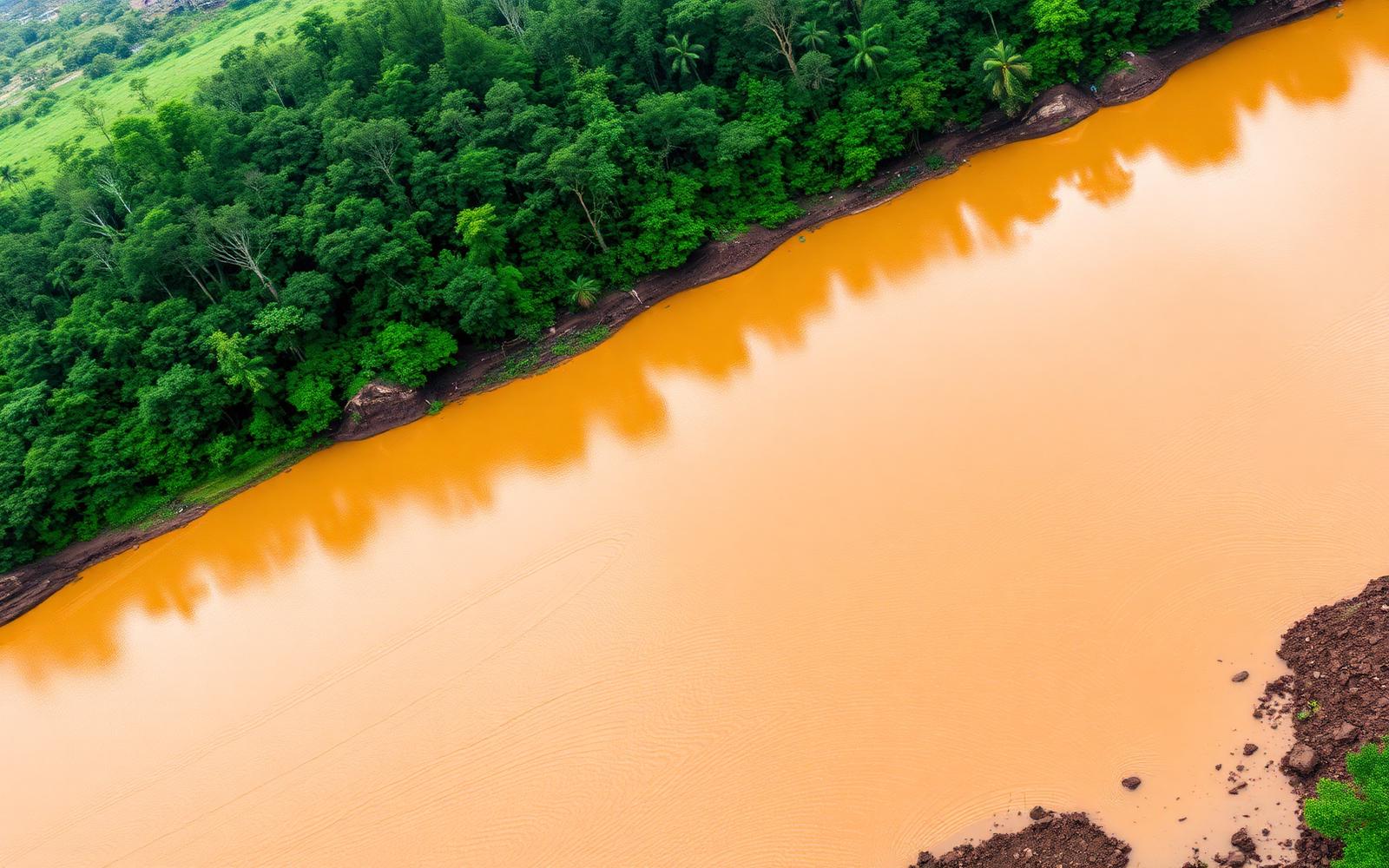
A nation’s rivers are running orange.
The Crisis
A nation’s rivers are running orange.
What began in the late 1970s as villagers collecting tailings from shut-down mines, colloquially called “get-am-sell” has evolved into galamsey: unregulated, mechanised mining that poisons rivers with mercury and sediment, converts arable land into pits, and decimates aquatic life across Ghana’s western and southern regions.
According to Lawrence M.K. Akakpo — a mining and environmental engineer — it all started at the Prestea Goldfields. Operations began in 1961 with five companies, later reducing to four. Other mines, such as Tarkwa Goldfields Ltd., closed in 1971/72.
Our Purpose
Vision & Mission
The word galamsey derives from “Get am sell.” What began as informal gold collection has evolved into a criminal environmental catastrophe driven by poverty, economic desperation, and weak enforcement.
Strategic Goals
Our Specific Objectives
The Forum’s work focuses on two priorities: addressing environmental degradation from irresponsible resource extraction, and protecting human and livestock health.
Environmental
Combat Irresponsible Deforestation
Advocate for stronger forest protection policies and community-based governance across Ghana’s ecological zones.
Environmental
Regulate Mineral Extraction
Address irresponsible mining from land and water bodies through education and policy engagement.
Environmental
Protect Arable Land
Prevent the conversion of farmlands into galamsey sites by promoting alternative livelihoods for rural communities.
Environmental
Restore Water Bodies
Address pollution of rivers, protecting water quality, aquatic ecosystems, and downstream communities.
Public Health
Protect River Water Quality
Monitor and publicize the impact of galamsey on fresh water quality in rivers used by communities.
Public Health
Safeguard Human Health
Document and address the impact of degraded water quality on human health in rural populations.
Public Health
Protect Livestock Health
Investigate the impact of contaminated water on livestock to protect rural agricultural livelihoods.
Education
Community Outreach & Education
Deploy non-formal education strategies in rural communities to build awareness of galamsey’s impacts.
Strategic Goals
Our Specific Objectives
The Forum’s work focuses on two priorities: addressing environmental degradation from irresponsible resource extraction, and protecting human and livestock health.
Environmental
Combat Irresponsible Deforestation
Advocate for stronger forest protection policies and community-based governance across Ghana’s ecological zones.
Environmental
Regulate Mineral Extraction
Address irresponsible mining from land and water bodies through education and policy engagement.
Environmental
Protect Arable Land
Prevent the conversion of farmlands into galamsey sites by promoting alternative livelihoods for rural communities.
Environmental
Restore Water Bodies
Address pollution of rivers, protecting water quality, aquatic ecosystems, and downstream communities.
Public Health
Protect River Water Quality
Monitor and publicize the impact of galamsey on fresh water quality in rivers used by communities.
Public Health
Safeguard Human Health
Document and address the impact of degraded water quality on human health in rural populations.
Public Health
Protect Livestock Health
Investigate the impact of contaminated water on livestock to protect rural agricultural livelihoods.
Education
Community Outreach & Education
Deploy non-formal education strategies in rural communities to build awareness of galamsey’s impacts.
The Environmental Crisistory
Understanding Galamsey
The word galamsey derives from “Get am sell.” What began as informal gold collection has evolved into a criminal environmental catastrophe driven by poverty, economic desperation, and weak enforcement.
Irresponsible Deforestation
Illegal miners clear vast swaths of forest cover to access gold-bearing soil, destroying critical ecosystems and accelerating soil erosion across Ghana’s forest zones.
Land Degradation
Fertile arable farmlands are converted into barren galamsey sites. Communities lose agricultural productivity and food security as topsoil is permanently stripped away.
River Pollution
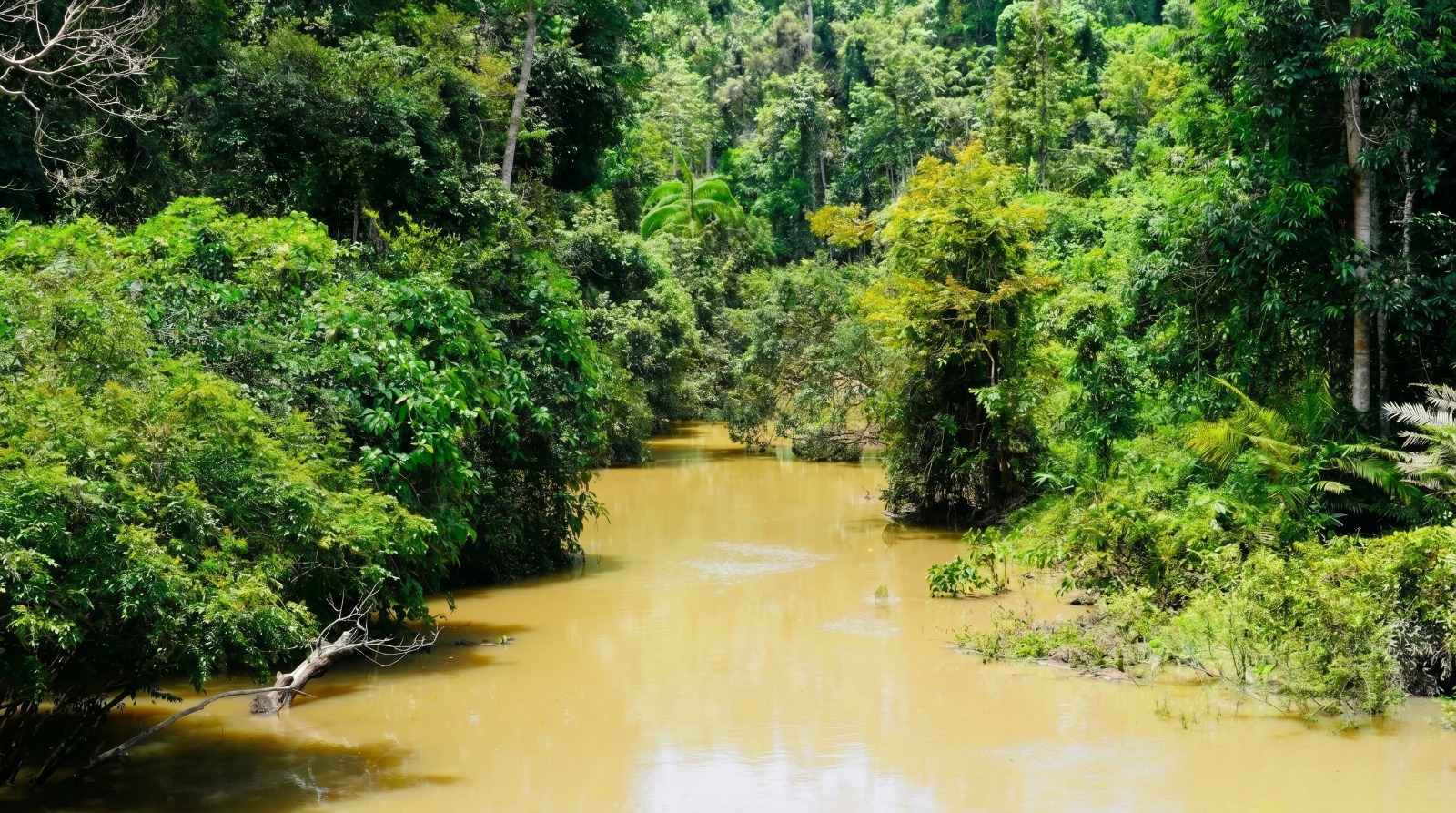
Mercury and chemicals contaminate Ghana’s river systems — including the Pra, Ankobra, and Offin — destroying aquatic biodiversity and threatening drinking water.
Human Health Impacts
Contaminated water causes widespread illness. Heavy metal poisoning reduces life expectancy and decimates the workforce in affected communities.
Livestock Health
Animals that consume contaminated water suffer disease and death, devastating rural livelihoods that depend on livestock for income and food security.
Economic Inequality
Despite generating short-term income, galamsey entrenches poverty by destroying the long-term natural resource base that sustainable rural economies depend upon.
The Environmental Crisistory
Understanding Galamsey
The word galamsey derives from “Get am sell.” What began as informal gold collection has evolved into a criminal environmental catastrophe driven by poverty, economic desperation, and weak enforcement.
Irresponsible Deforestation
Illegal miners clear vast swaths of forest cover to access gold-bearing soil, destroying critical ecosystems and accelerating soil erosion across Ghana’s forest zones.
Land Degradation
Fertile arable farmlands are converted into barren galamsey sites. Communities lose agricultural productivity and food security as topsoil is permanently stripped away.
River Pollution
Mercury and chemicals contaminate Ghana’s river systems — including the Pra, Ankobra, and Offin — destroying aquatic biodiversity and threatening drinking water.
Human Health Impacts
Contaminated water causes widespread illness. Heavy metal poisoning reduces life expectancy and decimates the workforce in affected communities.
Livestock Health
Animals that consume contaminated water suffer disease and death, devastating rural livelihoods that depend on livestock for income and food security.
Economic Inequality
Despite generating short-term income, galamsey entrenches poverty by destroying the long-term natural resource base that sustainable rural economies depend upon.